Collections

Explore Our Historical Collections

The Center for Southeast Louisiana Studies and the Amistad Research Center house extensive historical collections that offer valuable insights into the region’s cultural heritage and diverse history. These collections provide researchers, students, and the public with access to rare documents, photographs, and artifacts that chronicle the lives and events that have shaped Southeast Louisiana. Through the dedicated efforts of Dr. Antoinette Harrell to preserve and showcase these materials, the centers have significantly advanced the understanding of African American history and the region’s past, underscoring its lasting influence on contemporary society. Spanning from the Reconstruction era to the civil rights movement, these collections highlight the essential role of African Americans in shaping the region’s history.

Discover the Archives That Shapes Our Past & Present

Historical archives function as a lens to the past, conserving documents, photographs, and records that narrate the experiences of earlier generations. They offer significant perspectives on cultural, political, and social progress, enabling an understanding of societal evolution. Through the study of these archives, we can draw lessons from both past achievements and errors, fostering a more knowledgeable future. 

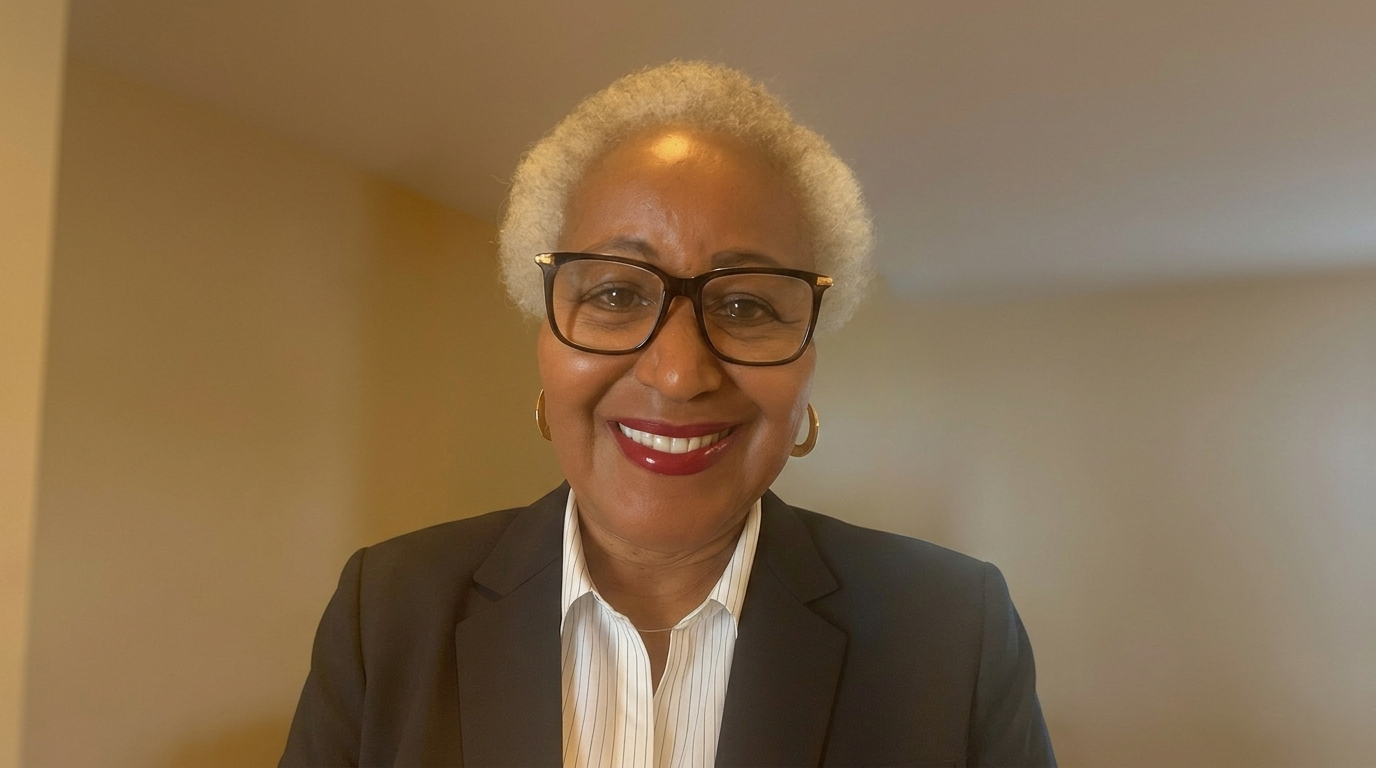
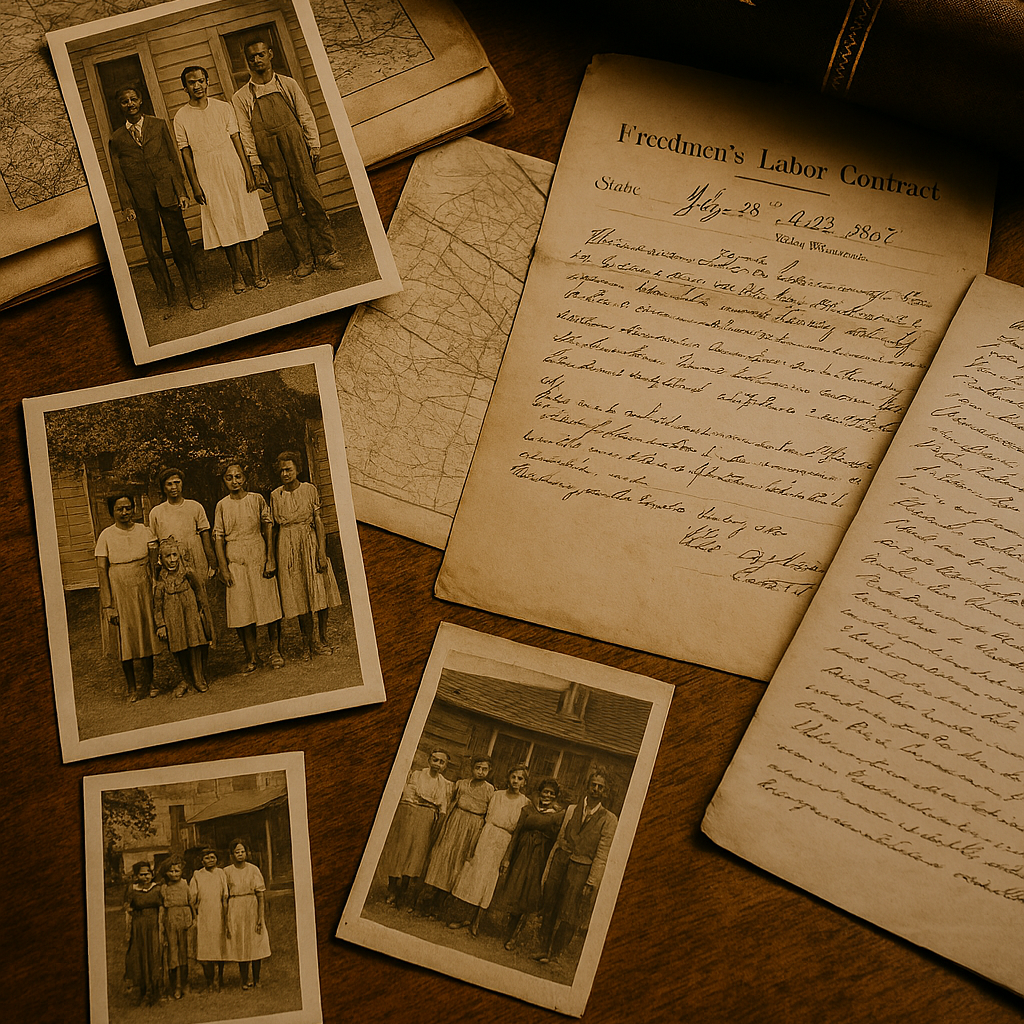
Dr. Kingsley B. Garrison Collection

Photo Credit: Dr. Antoinette Harrell

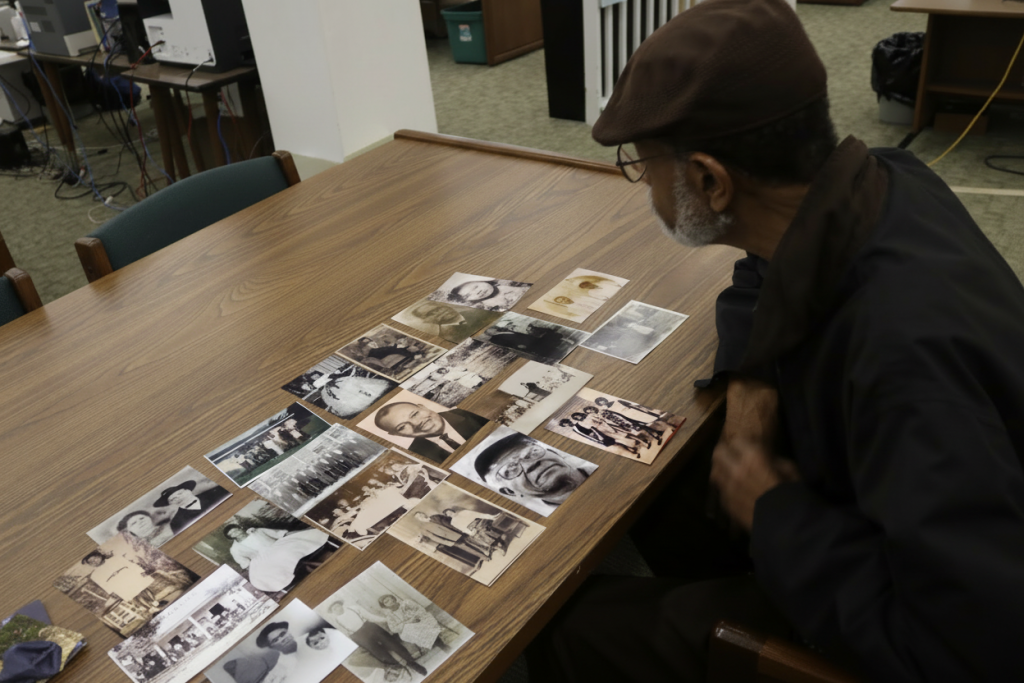
The Dr. Kingsley B. Garrison Collection reflects his educational journey, which began at Ponchatoula Colored Elementary School, Perrin Junior High, and Greenville Park High School. He continued his academic pursuits at Dillard University, Southern University, Southeastern Louisiana University, and The University of Southern Mississippi, ultimately earning a Ph.D. in communications. The collection includes photographs and documents that highlight the history of education and the church in Tangipahoa Parish. 

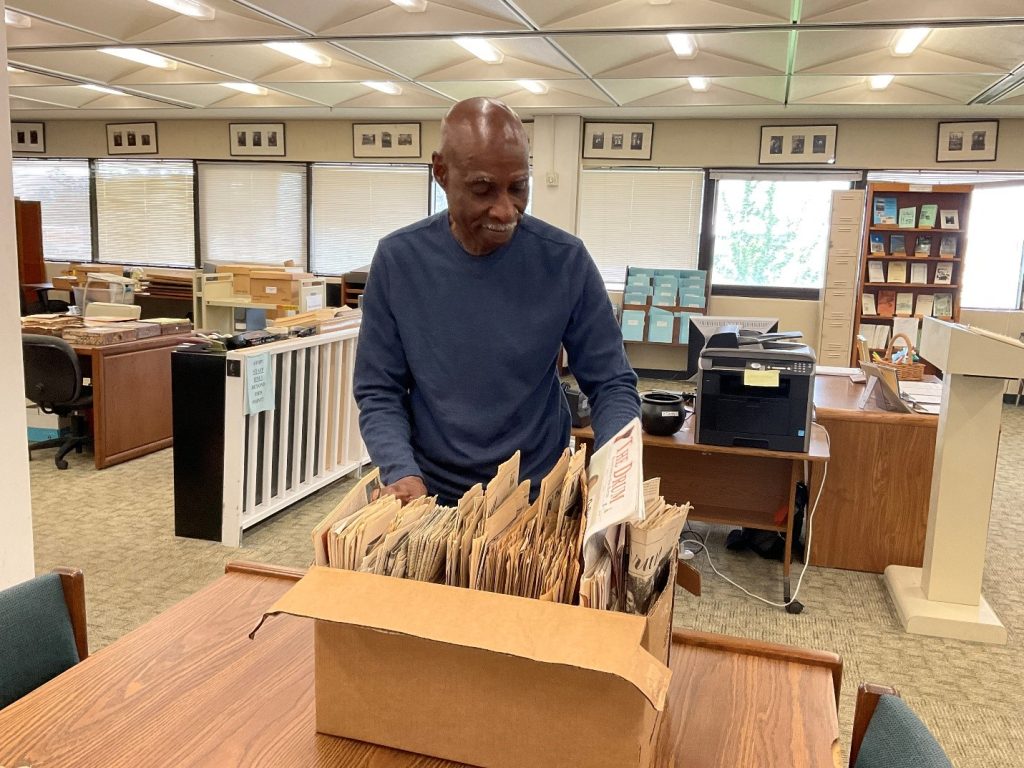
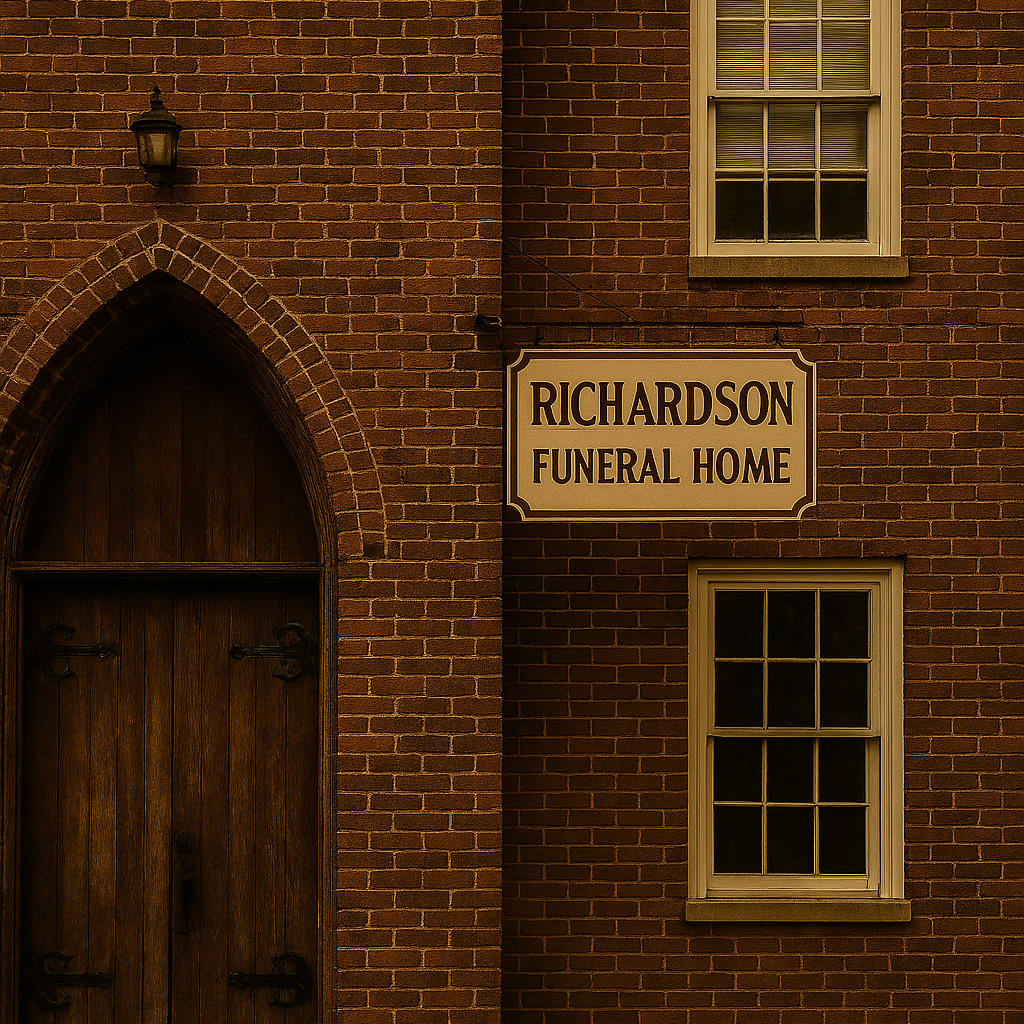
Richardson Funeral Home Collection

Photo Credit. Dr. Antoinette Harrell

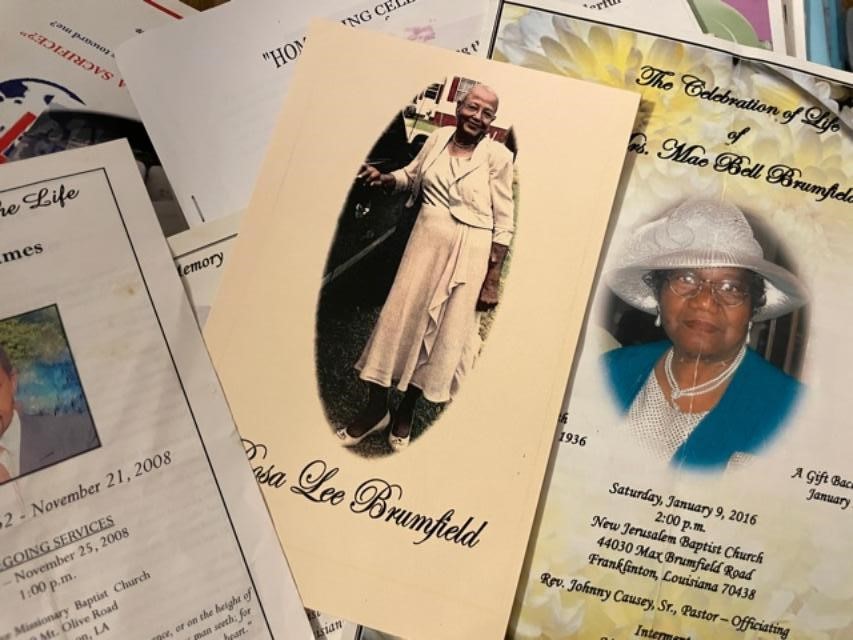
The Richardson Funeral Home Collection, encompassing over 2,000 funeral programs, represents a substantial archive of documents and keepsakes that chronicle the lives, families, and community contributions of the deceased person’s life. These records often contain detailed genealogical data, including birth and death dates, familial connections, and personal narratives reflecting education, employment, and religious affiliations. Frequently digitized by libraries and archives, the programs are invaluable for historians, genealogists, and researchers studying the social and cultural history of the past. Originating in the mid-1960s, some programs document individuals born as early as the mid- to late 19th century. 

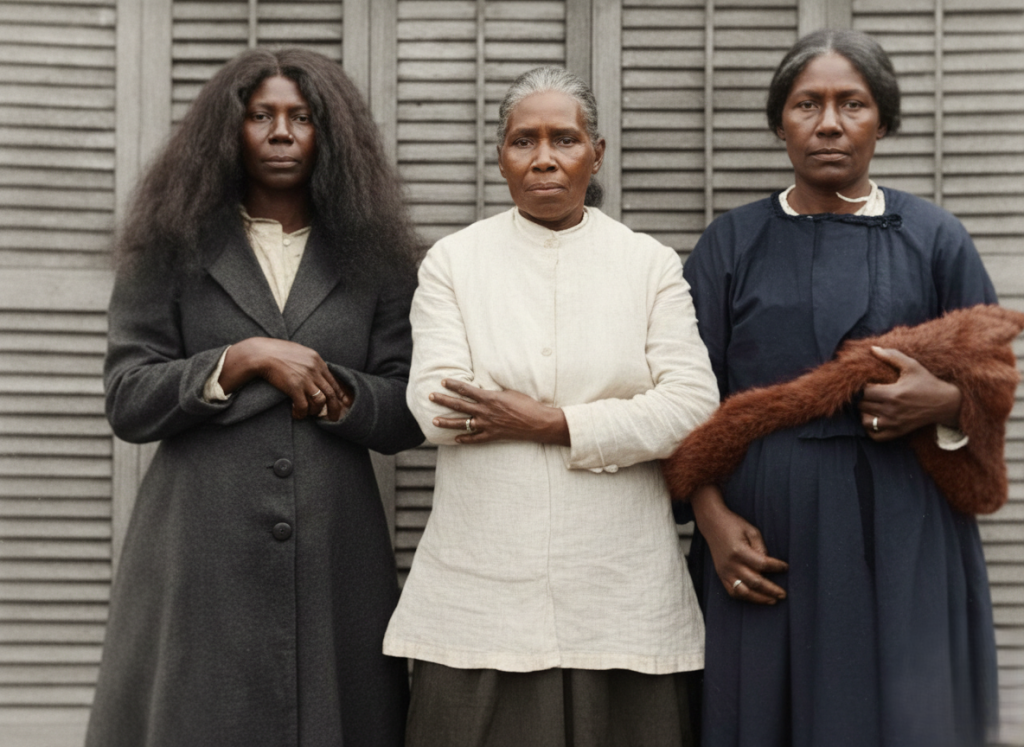
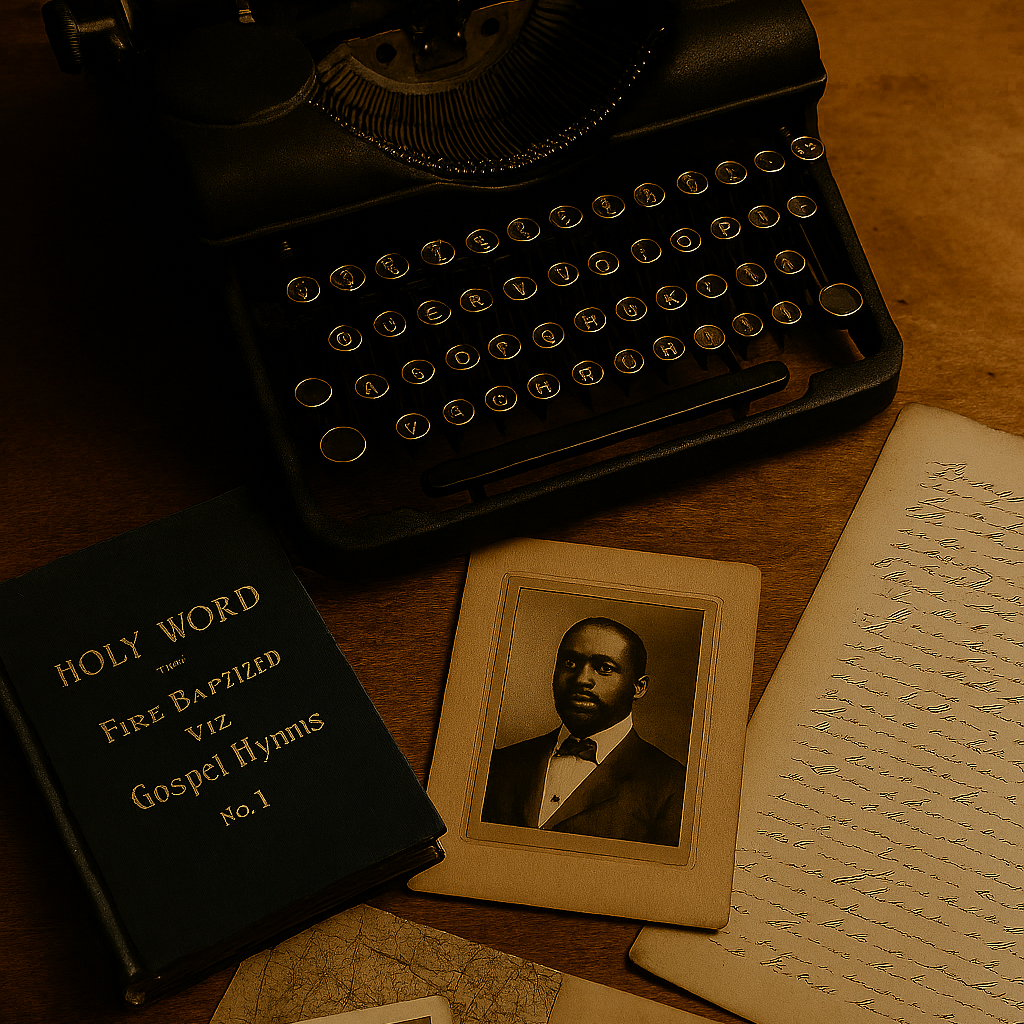
Rev. Arthur Tasker Collection

Photo Credit. Photo Credit. Sharon Ponds

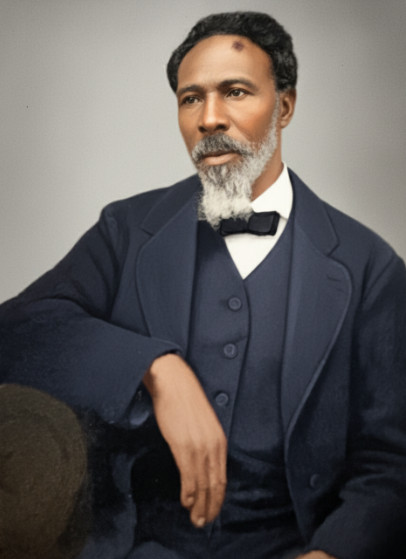
Tasker was born in 1834 in Maryland as a slave. He was later sold to work for widow McCarroll in Tangipahoa Parish, Louisiana. As a slave, Tasker was hired out to work for William Akers, a timber man with more than 1,000 acres who founded the city of Ponchatoula in 1820.

After being freed in 1863, Arthur Tasker began preaching the Gospel to the newly freed people in Tangipahoa, as part of the growing African Methodist Episcopal churches being established across the United States. AME churches emerged from the Free African Society and were founded so that Black people could worship God without experiencing racism. leaders like Tasker believed in the power of education and wanted their descendants to be educated.

On October 12, 1867, Tasker founded the African Methodist Episcopal Church, Zion, in Ponchatoula, Louisiana. Less than ten miles away in Hammond, Louisiana, Charles Daggs, a former slave, founded Greater St. James Church in the same year.In of Donaldsonville, LouisianaPierre Caliste Landry, founded St. Peter’s Methodist Episcopal Church and in 1868 he was unanimously elected Mayor, making him the first Black American to be elected mayor of Ponchatoula. The growth of AME churches in slave states like Louisiana was considered “remarkable.”

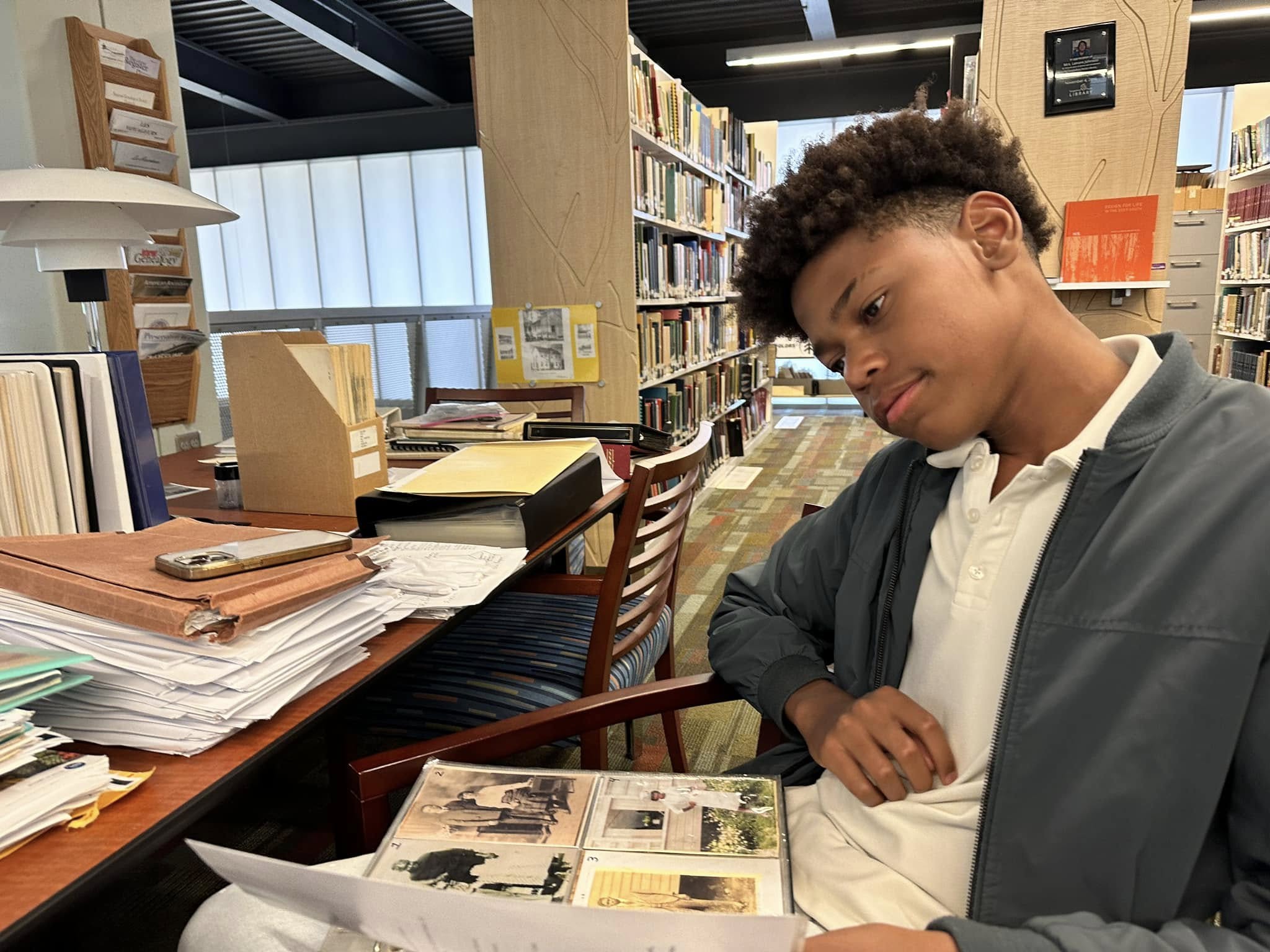
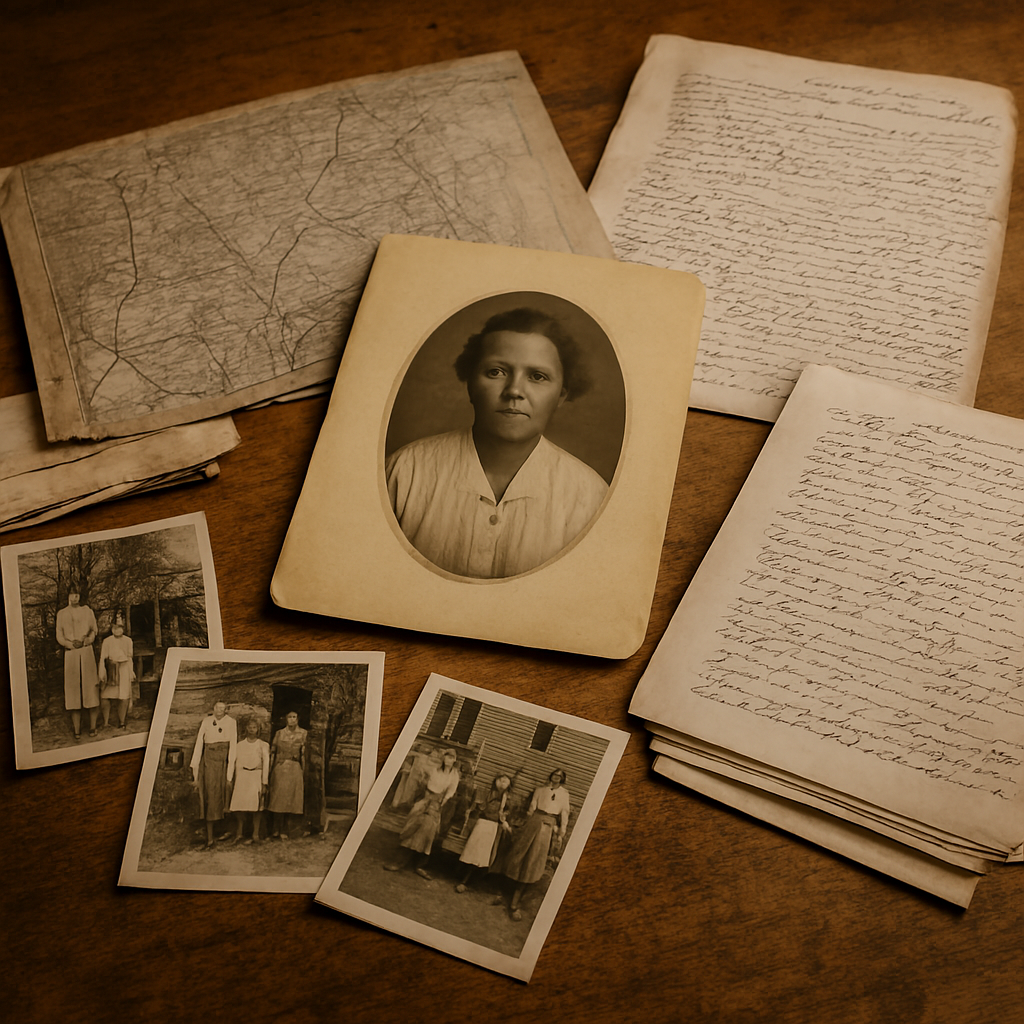
Antoinette Harrell, Amistad

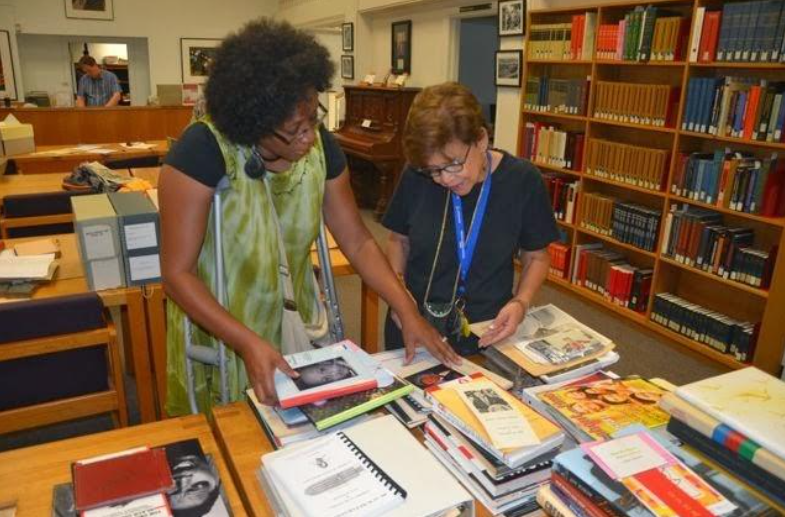
The Antoinette Harrell papers document her career as a historian and activist, focusing on her civil and social engagements in New Orleans and Louisiana. The collection offers extensive insights into African American history in Louisiana and the Mississippi Delta, with particular emphasis on slavery reparations and peonage in the South from the 1920s to the 1960s. It includes correspondence, news clippings, photographs, yearbooks, leaflets, genealogical records, and other ephemeral materials. Additionally, the papers feature research on African American genealogy, with a specific focus on the southern United States.

Bernice A. Bennett Collection

Bernice Alexander Bennett is an  award-winning author, genealogist, nationally recognized speaker, storyteller, and podcast producer and host. She is the creator and former host of the acclaimed Research at the National Archives and Beyond BlogTalkRadio program and the current host of the Ancestor’s Footprints Podcast.  She also received the Elizabeth Clark-Lewis Afro-American Historical and Genealogical Society. (AAHGS) Genealogy Award in 2019 for original research supporting African American genealogy.   In 2022, she was honored with the Midwest Region’s Hartzog Award from the Homestead National Historical Park Services for her leadership in unearthing and sharing the stories of Black homesteaders. Her latest book, Black Homesteaders of the South, published by the History Press, was named a 2023 Next Generation Indie Book Award Finalist. 

Eddie & Carrie Wells-Ponds Collection

Eddie Ponds is a prominent figure in Louisiana journalism, known as the publisher of The Drum newspaper, focusing on African-American history and community stories, and also works as a videographer, often highlighting Louisiana’s Black legacy, including figures like former governor P.B.S. Pinchback,  his wife Carrie Wells Ponds,  was a co-founder of The Drum

Antoinette Harrell Collection

The Antoinette Harrell Collection at the Center for Southeast Louisiana constitutes a comprehensive archive of images, documents, booklets, notes, letters, programs, and articles that document the lives of African Americans in the Southeast Florida Parishes. This collection provides critical insights into the social, cultural, educational, and political experiences of the community, including their religious affiliations, struggles, and achievements over time. It highlights significant historical events such as the Civil Rights Movement and the fight against segregation, serving as a vital resource for examining the local history and the contributions of African Americans to the region.

Discover the Archives That Shape Our Past

Lorem ipsum dolor sit amet consectetur adipiscing elit. Quisque faucibus ex sapien vitae pellentesque sem placerat. In id cursus mi pretium tellus duis convallis.

Harrell Collection

Lorem ipsum dolor sit amet consectetur adipiscing elit.

Amistad Research Center

Lorem ipsum dolor sit amet consectetur adipiscing elit.

Richardson Funeral Home Collection

Lorem ipsum dolor sit amet consectetur adipiscing elit.

Garrison Kingsley Collection

Lorem ipsum dolor sit amet consectetur adipiscing elit.