History

St. Helena Parish African American History

St. Helena Parish, established in 1810, is one of the historic Florida Parishes located in southeastern Louisiana. The parish holds a significant place in civil rights history, as it was the site of a public school desegregation case that occurred prior to the landmark U.S. Supreme Court decision in Brown v. Board of Education of Topeka, Kansas. Many families in St. Helena Parish are descendants of formerly enslaved people who endured the harsh realities of Jim Crow laws and segregation, yet remained deeply rooted in the community. Despite generations of systemic challenges, African American residents have preserved their cultural heritage, strengthened community bonds, and continue to play an active role in promoting progress, education, and improved race relations within the parish.


Tangipahoa Parish African American History

Tangipahoa Parish, founded in 1869, is another key member of Louisiana’s Florida Parishes and has a rich and resilient African American history. Like neighboring parishes, Tangipahoa is home to families whose ancestors survived slavery, segregation, and discriminatory laws while maintaining a strong connection to the land and community. The parish has produced notable figures who have made lasting contributions to American culture and history, including Grammy Award–winning singer Irma Thomas and Collis Temple Jr., the first African American to play varsity basketball for Louisiana State University. Today, African Americans in Tangipahoa Parish continue to achieve success across various fields and remain actively engaged in community leadership and initiatives aimed at fostering unity, opportunity, and racial understanding.

Visual Journey Through Our History

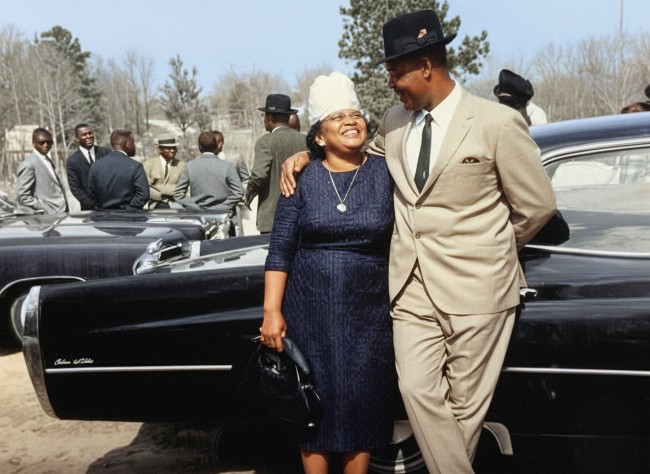
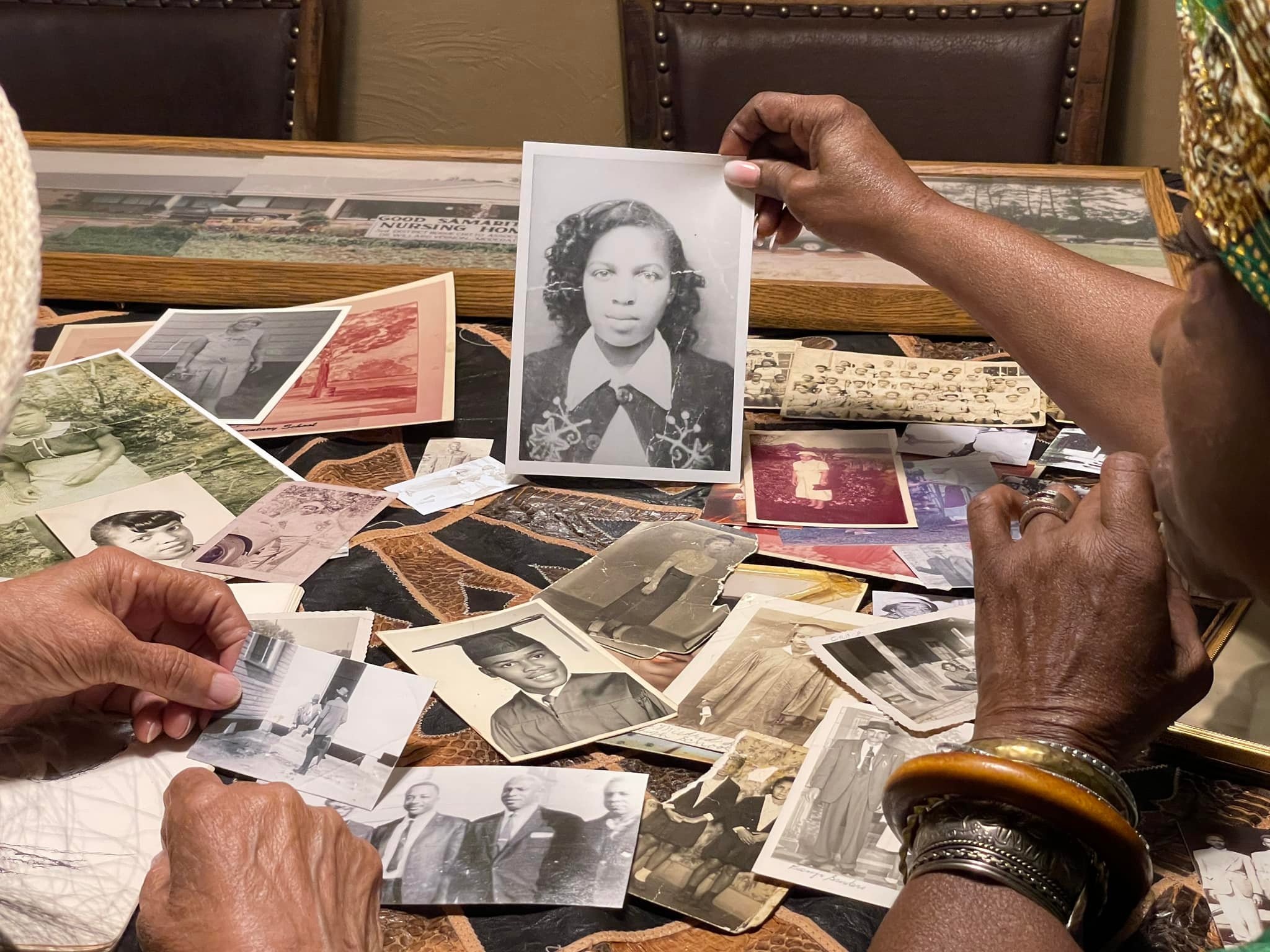
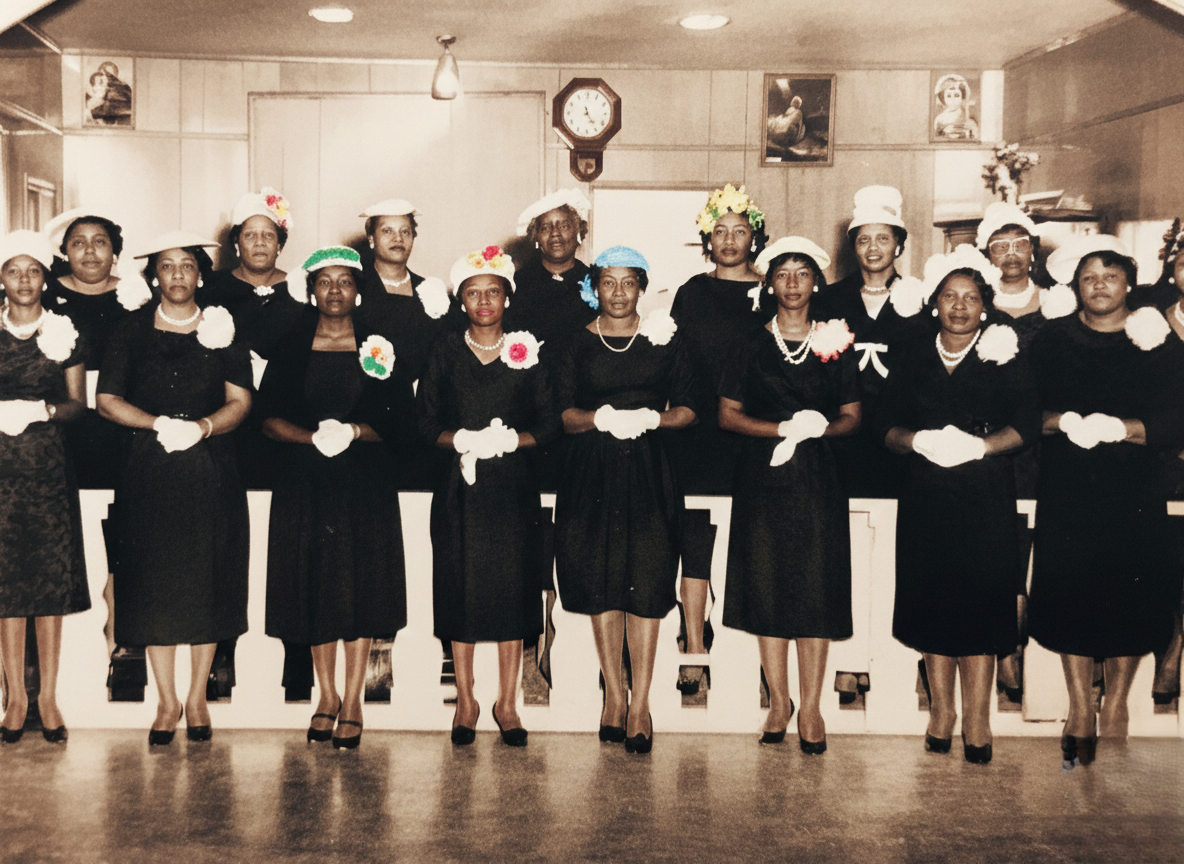
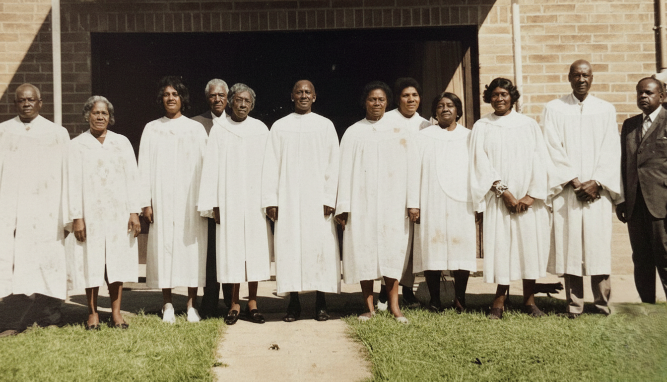
The Visual Journey Through Our History provides a visual overview of the extensive photography in our collection and gallery. The gallery serves as a time capsule, preserving moments and memories that shape our world. It enables visitors to engage with the past concretely, facilitating profound comprehension of historical events and cultural transformations. This visual exploration facilitates reflection on our collective heritage and offers insights that shape our understanding of the present and future.